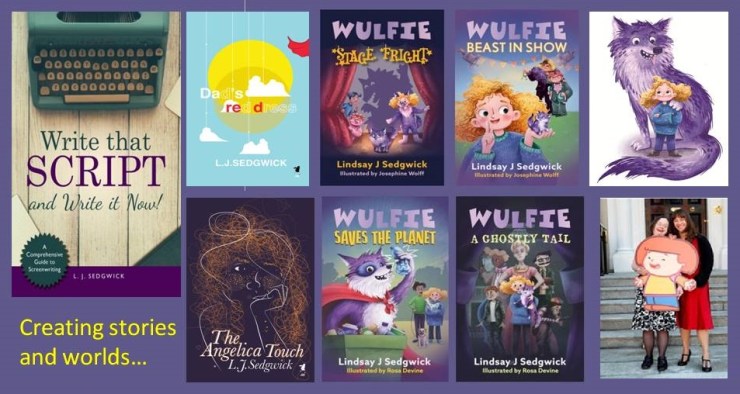
All I ever wanted to do as a child was to be a writer. Mad into words, I was constantly writing poems, making up worlds and languages and stories. When I was eight, I compiled a book of my poems for my mother, even though it meant getting up before school and writing something. Coloured paper – a scrapbook, I think; decorated with cut out pictures. It was for my mother’s birthday, so there was a deadline on it.
I know there was one in it written from the perspective of a child as tall adult knees – but only because I can remember my mother talking about it. Words were her thing too. She’d use incredibly long words (antediluvean, antipodean, penultimate)and never explain them. So I learnt to use the dictionary, which was her goal – although never very fluently. (I still have to run through the alphabet a few times before I find words!)
Until the age of nine, I absolutely believed it was possible to become a writer. That was when I wrote my first book. It was called My Cousin Nora and the Adventures She Brought With Her. Clearly nobody had told me about snappy titles. It ran to 56 pages of a jotter and I can viscerally remember the challenge of finishing, of making myself get to the end because I had told people I was writing a book. Since books had to be least as long as a jotter, the last pages had about five words oneach, written largely – 60 point perhaps?
But something shifted then. I think my mother realised she needed to steer me in a direction where I could live from writing and so by the age of 13, I had set my sights on becoming a journalist. Creative writing, I had learnt by then, was for a hobby.
I became a journalist, and I loved it. Truly, madly, deeply. As a freelancer, I worked for everyone and in every conceivable style – except for the red tops. Most of the nationals (using two different names for different styles), a score of trade mags, EU journals, PR companies, travel mags. I even won a trip to Australia with the Sunday Observer as a Young Travel Writer of the Year finalist and did a journalist exchange to Sverdlovsk in Russia a year after Perestroika.
News didn’t suit me – features, diary pages, they were my thing. I pitched articles on the arts, interviewing actors, comedians, playwrights, writers as a way to keep writing as creatively as possible and I wrote my plays and books on the side. Six plays were produced, in Dublin – one at the Focus) and Cork. I even directed one. Two won awards and one was read in the Abbey! My books went out to agents and publishers and gathered very positive rejections. I got work in RTE as a writer on Fair City and Scratch Saturday. So this is it, I thought. I’ll become a screenwriter.
I’d had 13 years as a journo. It was becoming harder to write creatively using the same computer on which I was pounding out articles, up to ten a week, because that’s the freelancer’s life. (If it’s quiet, you panic that you’ll never work again, so you chase work – and then it’s too busy to do anything else.) Maybe it was burn out but I like to think the creative part of me needed to breathe. I saved up enough to survive for 18 months and gave up the journalism to write full time.
(To be continued… Because now I need to go and do acknowledgements for my 8th book, Glimpses Beneath, which is due out this autumn!)
OTHER NEWS: MAYNOOTH UNI & THE IRISH WRITERS UNION
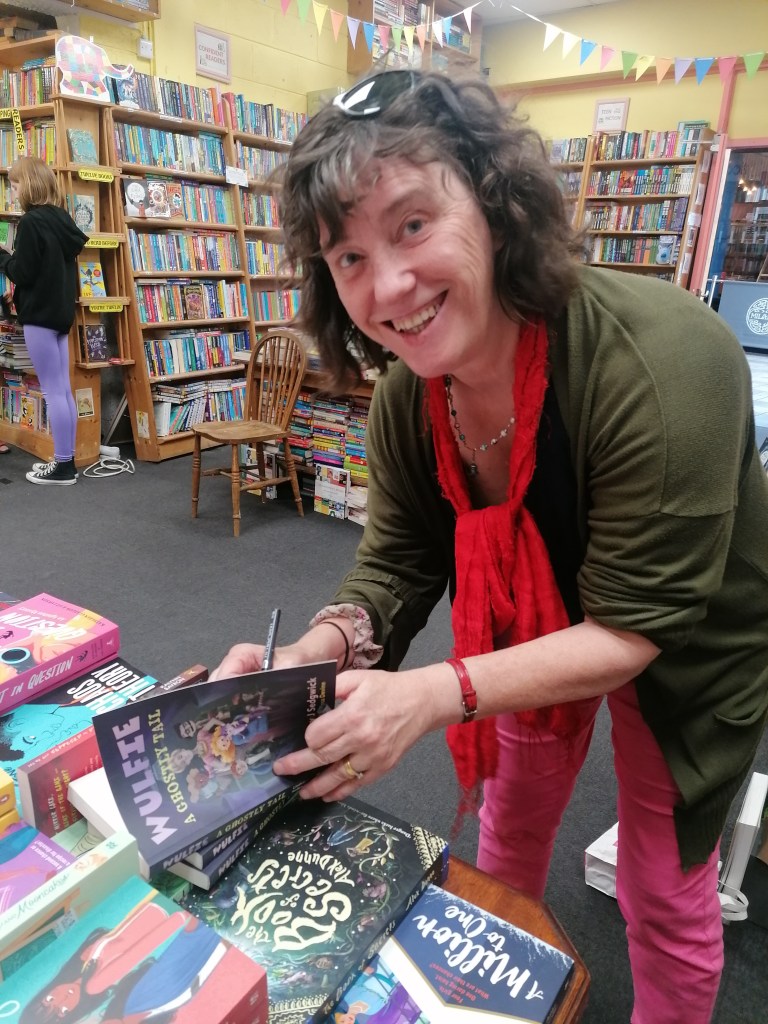
Delighted to be returning to Maynooth Uni again this Autumn, to teach Second Year and Masters’ students how to write for the screen. It’s a real privilege to see students develop their projects, honing their writing skills, pushing boundaries in order to tell stories that are relavant, exciting, original.
In March, I stepped down as Chair of the Irish Writers Union at the end of the two year term, but have remained on the Executive Commitee as Vice-Chair. It’s a really important time to belong to a writer’s organisation, given what is happening in the world. Head on over to the website if you’d like to know more.
Writers need networks and support groups, but we also need to fight together against the rise of censorship and to work out how we live with and manage AI.
One piece of good news this year was that, following an ongoing campaign that the IWU has been deeply involved with, an agreement was reached to increase Public Lending Rights in Ireland by 50%. (At the moment, it’s 4c per book borrowed from a library. In UK it’s 11p.)
DISCOVER IRISH KIDS BOOKS – ongoing
A campaign to encourage parents to buy, and children to read books by Irish writers, the Discover Irish Kids Books campaign was initiated by the prolific writer Sarah Webb who pointed out that Irish writers barely featured in the weekly top ten listings of best-selling books.
This seems insane – we have so many hugely talented writers, but perhaps it is only that they get less publicity, or they aren’t as well known. Time to remedy that! Check out the website.

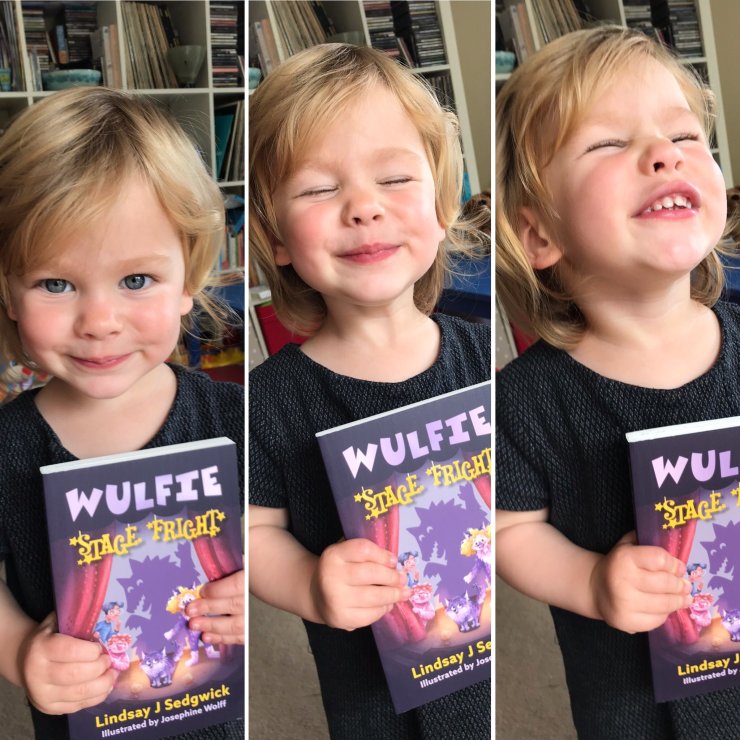
My own Wulfie series was published by Little Island Books during the pandemic – four books in 17 months, what a rollercoaster!
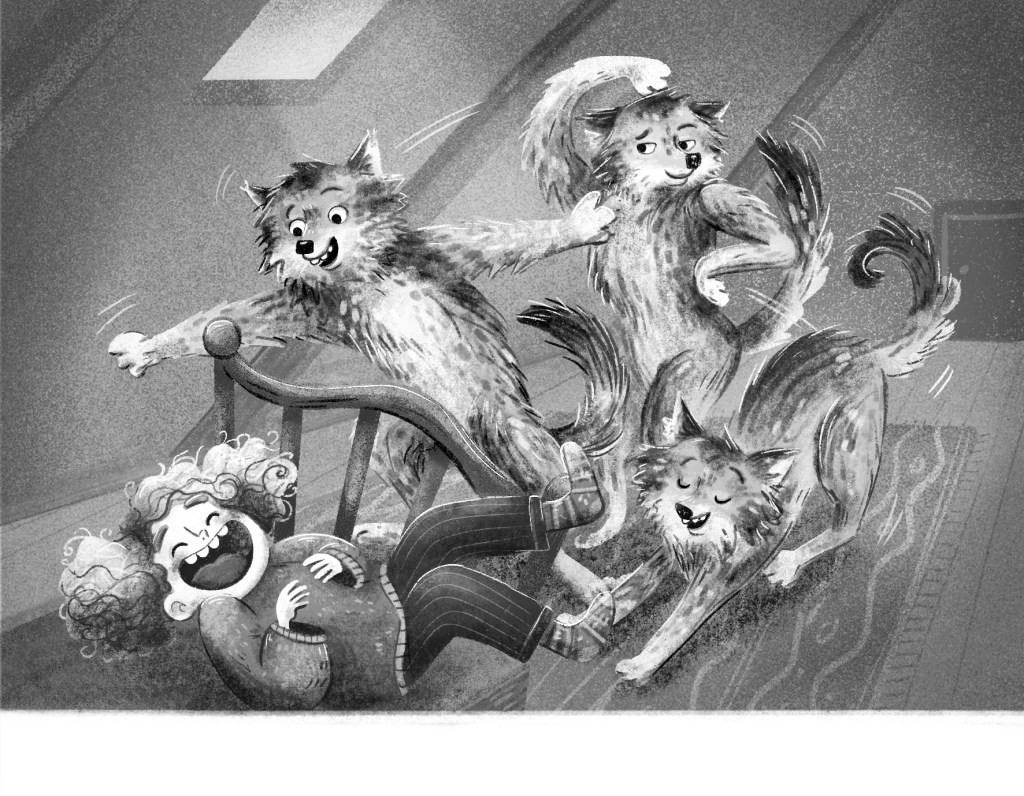
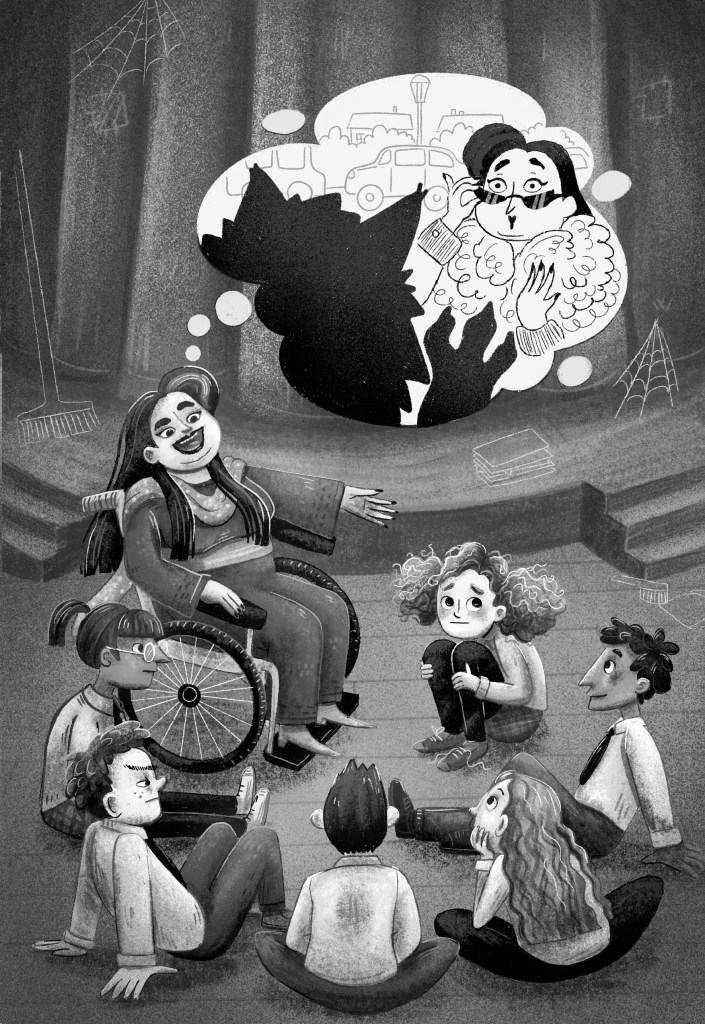
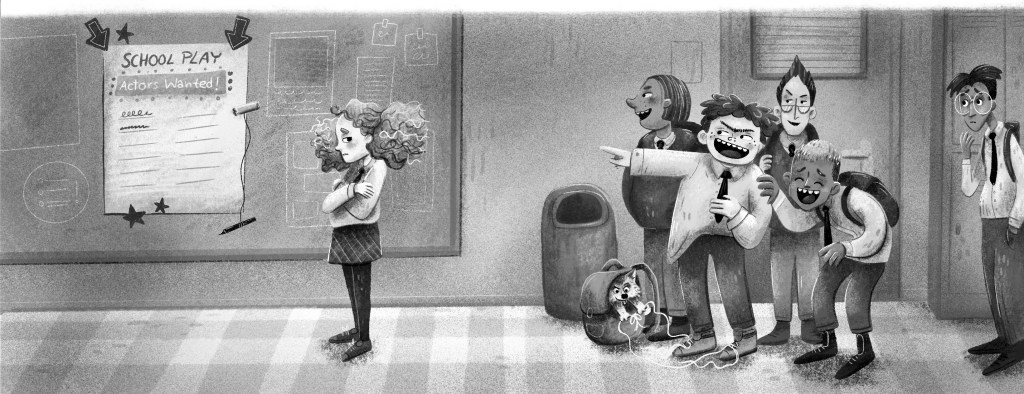
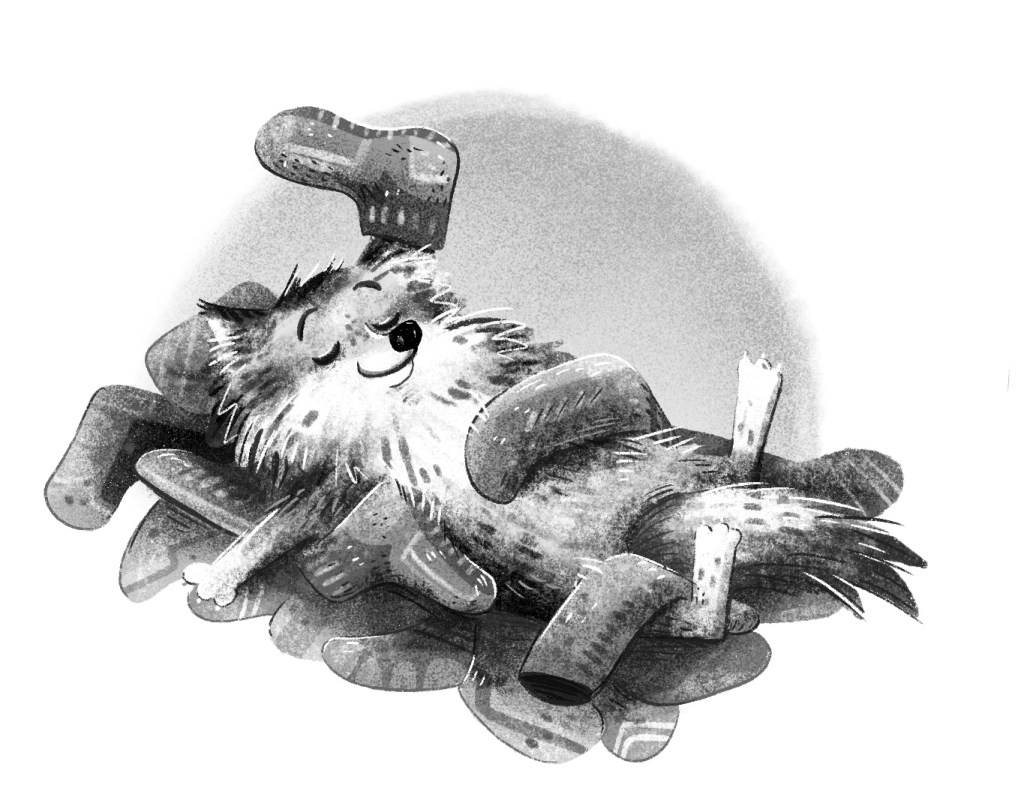
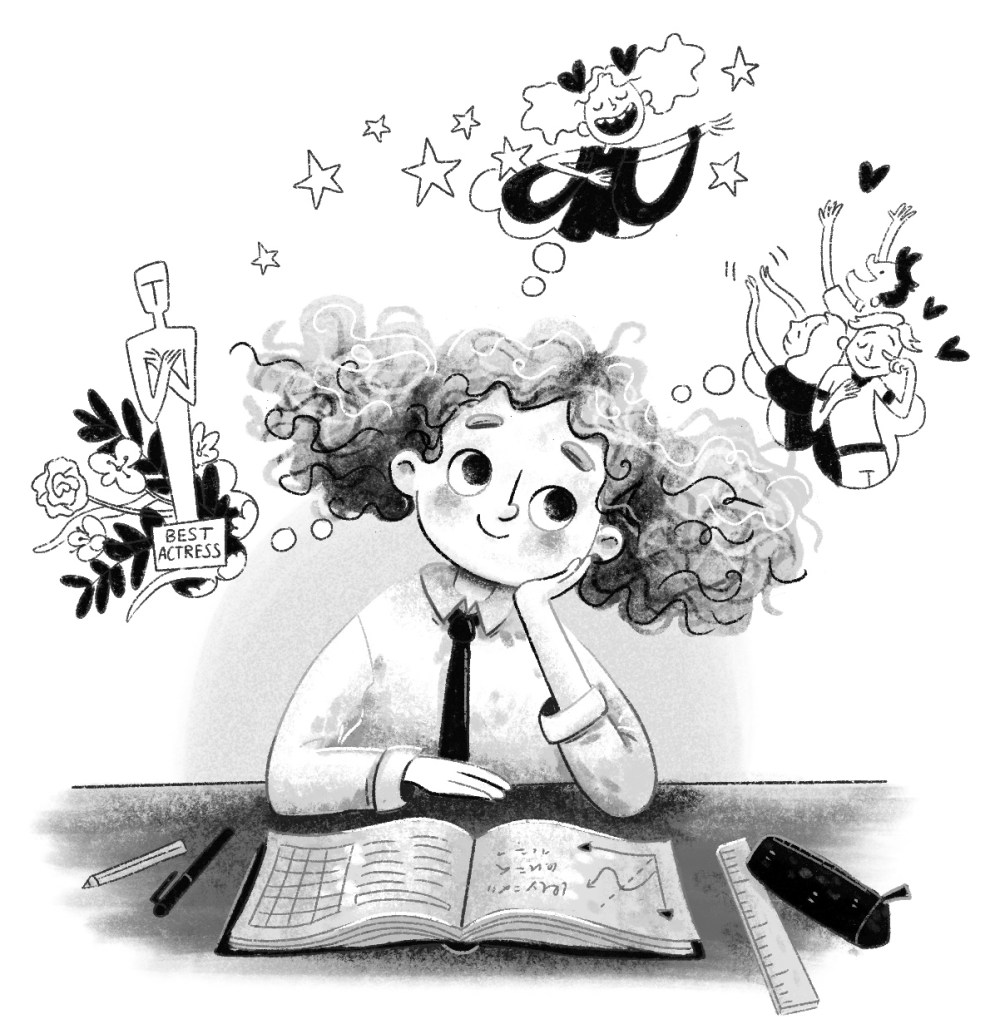
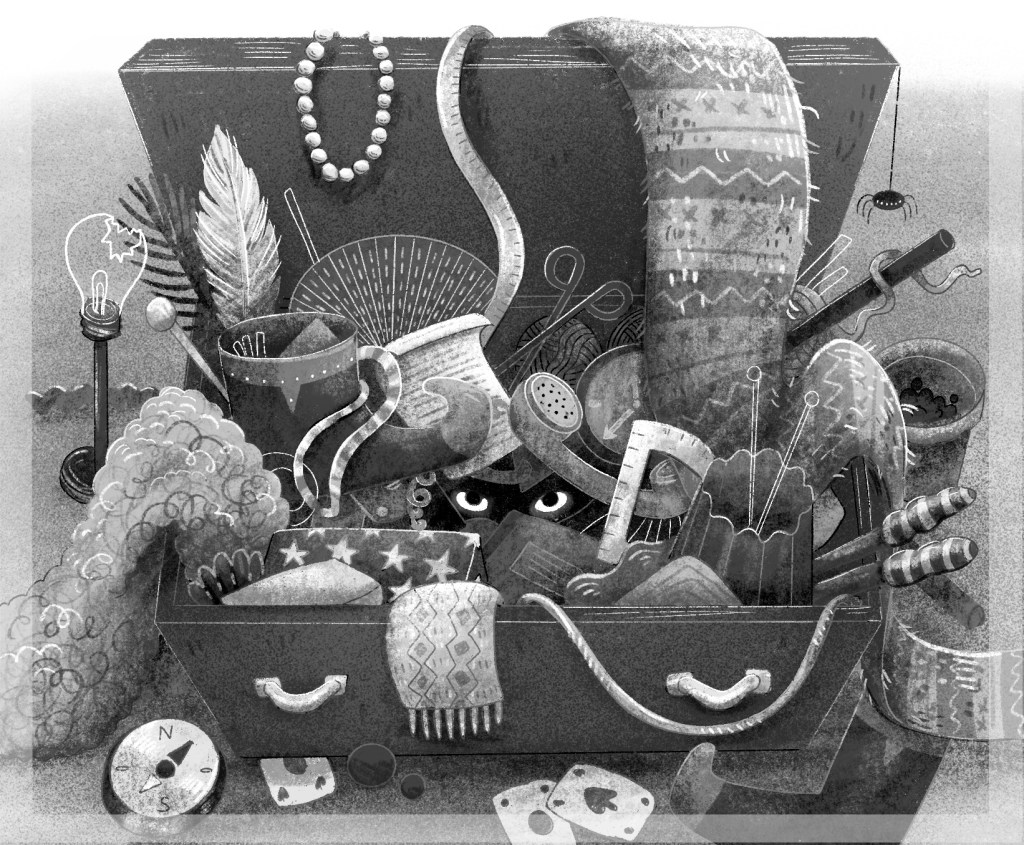
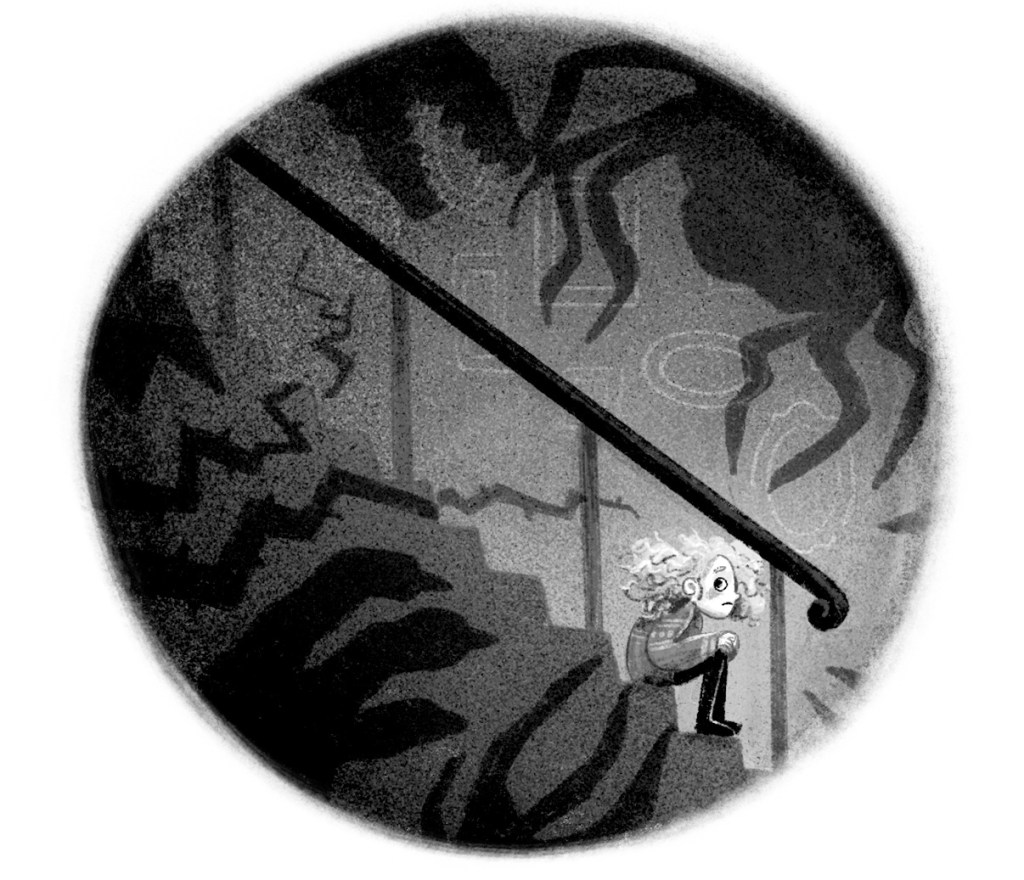
You can get them in most good bookshops, but also in the library and directly in a bundle from Little Island Books. These are: Book 1, Wulfie: Stage Fright, book 2: Wulfie: Beast in Show, book 3: Wulfie Saves the Plane and book 4, which came out march 2022: Wulfie: A Ghostly Tail. More info on my Wulfie page but meanwhile, here is a selection of the wonderful illustrations from Wulfie: Stage Fright by Josephine Wollf.
 Lindsay J Sedgwick